
Call:
 Send Inquiry
 Send Inquiry
Steel Sandwich Panels
Price 1050 INR/ Square Meter
MOQ : 100 Square Meters
Steel Sandwich Panels Specification
- Recyclability
- Yes
- Installation
- Interlocking or Tongue & Groove Type
- Durability
- High corrosion and Weather resistance
- Density of Core
- 40-45 kg/m3 (PU Foam)
- Thermal Conductivity
- Low / High Insulation (Depending on core material)
- Panel Type
- Steel Sandwich Panel
- Surface Finish
- Smooth / Corrugated / Ribbed available
- Width
- 1000 mm (Standard)
- Core Material
- Polyurethane (PU) / Polyisocyanurate (PIR) / EPS / Rock Wool
- Sound Insulation
- Moderate to High (depends on core)
- Compressive Strength
- >0.2 MPa (PU Core)
- Application
- Roof and Wall Cladding, Cold Storage, Industrial Buildings
- Surface Material
- Galvanized Steel / Pre-painted Steel
- Panel Weight
- Approx. 10-15 kg/m2 (depends on thickness and core)
- Length
- As per requirement (customized)
- Color Options
- As per customer requirement
- Fire Resistance
- Available (with Rockwool/PIR core)
- Standard Compliances
- IS / ASTM / DIN standards
- Water Absorption
- Low
- Panel Thickness
- 30mm, 40mm, 50mm, 75mm, 100mm, 150mm (Custom sizes available)
Steel Sandwich Panels Trade Information
- Minimum Order Quantity
- 100 Square Meters
- Payment Terms
- Cash Advance (CA)
- Supply Ability
- 1000 Square Meters Per Month
- Delivery Time
- 5 Days
- Main Domestic Market
- All India
Steel Sandwich Panels About
Product details
| Country of Origin | Made in India |
| Material | Steel / Stainless Steel |
| Surface Treatment | Color Coated |
| Manufacturing Technique | Cold Rolled |
| Features | Water Proof |
| Usage/Application | Roofing |
Engineered for Superior Insulation
Our steel sandwich panels provide outstanding thermal and sound insulation, thanks to a choice of advanced core materials such as Polyurethane (PU), Polyisocyanurate (PIR), Expanded Polystyrene (EPS), and Rockwool. The panels are designed for applications requiring stringent temperature control or high sound damping, such as cold storages and industrial buildings. Their multi-layered construction ensures minimal heat transfer, reducing energy costs and improving comfort.
Customizable for Every Project
Available in a range of thicknesses from 30mm to 150mm and customizable lengths, the panels can be tailored for any structural or aesthetic requirement. Choose from smooth, corrugated, or ribbed finishes, and select the perfect color to match your project. The standard width is 1000mm, but bespoke sizing ensures a fit for unique installations.
Reliable, Sustainable, and Easy to Install
Our steel sandwich panels are manufactured in India, complying with international standards like IS, ASTM, and DIN. With high weather and corrosion resistance, these panels last for years with minimal maintenance. Their recyclable materials contribute to green building practices, while interlocking/tongue & groove edges make installation fast and secure.
FAQ's of Steel Sandwich Panels:
Q: How are steel sandwich panels installed for roof and wall cladding?
A: Steel sandwich panels are typically installed using interlocking or tongue & groove systems that ensure precision alignment and a secure fit. Panels are fastened to structural frames with screws or mechanical fixings, making installation quick and minimizing thermal bridging.Q: What core material should I choose for specific applications such as cold storage or fire resistance?
A: For cold storage, Polyurethane (PU) or Polyisocyanurate (PIR) cores are recommended due to their superior thermal insulation. For enhanced fire resistance, Rockwool core panels are ideal, while Expanded Polystyrene (EPS) cores offer economical insulation for standard industrial buildings.Q: When is it beneficial to use thicker panels, like 100mm or 150mm, instead of standard options?
A: Thicker panels are advantageous when higher insulation is required, such as in freezer rooms or environments needing strict temperature control. Increased thickness also contributes to improved sound insulation and structural strength.Q: Where can steel sandwich panels be used besides industrial buildings?
A: Apart from industrial settings, these panels are suitable for commercial buildings, warehouses, cold rooms, clean rooms, and even modular office partitions, thanks to their adaptability and high-performance insulation.Q: What color and surface finish options are available for steel sandwich panels?
A: Customers can choose from a wide range of colors and finishes, including smooth, corrugated, or ribbed surfaces. This flexibility allows panels to be matched with architectural designs or corporate branding requirements.Q: How do steel sandwich panels contribute to sustainable construction practices?
A: These panels offer recyclability, reducing environmental impact at the end of their useful life. Their high insulation properties lower energy consumption for heating and cooling, thereby supporting energy-efficient building operations.Q: What are the benefits of sourcing steel sandwich panels from an Indian manufacturer or distributor?
A: Sourcing locally ensures quicker delivery times, adherence to regional standards such as IS, and availability of custom solutions with localized service and technical support for project-specific requirements.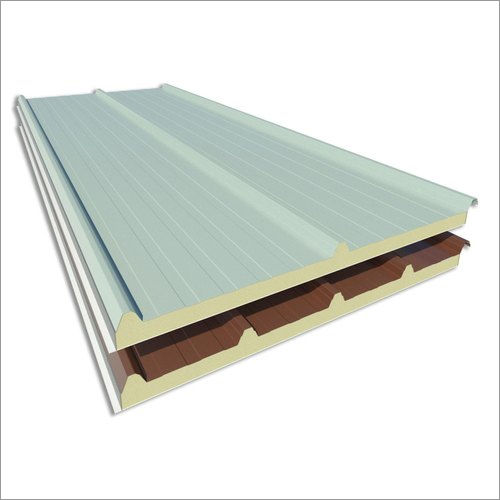
Tell us about your requirement

Price:
Quantity
Select Unit
- 50
- 100
- 200
- 250
- 500
- 1000+
Additional detail
Mobile number
Email

More Products in Civil Engineering Services Category

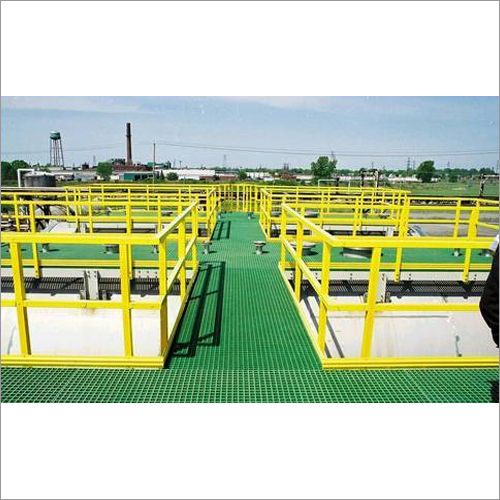
FRP Industrial Molded Gratings
Price 185 INR / Square Foot
Minimum Order Quantity : 100 Square Foots


Contact Details
RAYS DESIGN CONSORTIUM
GST : 24ALKPD5658C1ZB
- 532, Broadway Signature, Bhayli Sevasi Canal Road, Sevasi, Vadodara - 391101, Gujarat, India
- Phone :91--9824851191

 Send Inquiry
Developed and Managed by Infocom Network Private Limited.
